By Amanda Connor | BSc Dietetics
The key to my recovery journey and new normal has been following a healthy brain diet, so I will be sharing some guidance and recipes over a series of articles on foods to include and those to avoid, which helps to minimise brain fog and neuro fatigue and to maximise your brain health.
Your brain is home to your Autonomic Nervous System (ANS) or if you like, your Central Processing Unit (CPU). It works tirelessly to control each breath, each beat of your heart, perception of sight in each field of vision, and every sound around you. Just like a car needs good quality fuel to run efficiently, you brain also requires high performance nutrients to work at maximum efficiency. In this first article I am going to outline key action points to kick start your healthy brain diet.
Research studies have proven that eating for brain health is essential for the brain to function and the prevention of cognitive problems. Certain superfoods are now known to improve cognitive function (boosting your memory, improving your decision-making abilities, decreasing response time and even boosting your mood). A brain diet which incorporates these superfoods is the basis of clean eating – it isn’t about restriction or deprivation; rather, it’s about making mindful, balanced choices that enhance energy levels, improve digestion, and promote long-term health. It’s a way of building a healthier relationship with food, and emphasising quality over quantity.
Key areas that I addressed post-surgery were my gut health or my microbiome. Your body produces serotonin, which is a neurotransmitter responsible for regulating sleep, appetite, pain receptors and mood. Naturally the building blocks for its manufacture must be present for your body to do its job. Did you know that 95% of the serotonin your body produces are made in your gastrointestinal (GI) tract? Your bowels are lined with millions of nerve cells called neurons. A daily war is waged in your gut microbiome between good and bad bacteria; good bacteria protect the intestinal lining and form a barrier against bad bacteria who when they attack the gut, leaving toxins and inflammation in their wake. Bad bacteria multiply in the gut if you have a diet which consists of processed foods, junk food, sugar, meat, alcohol and refined carbohydrates.
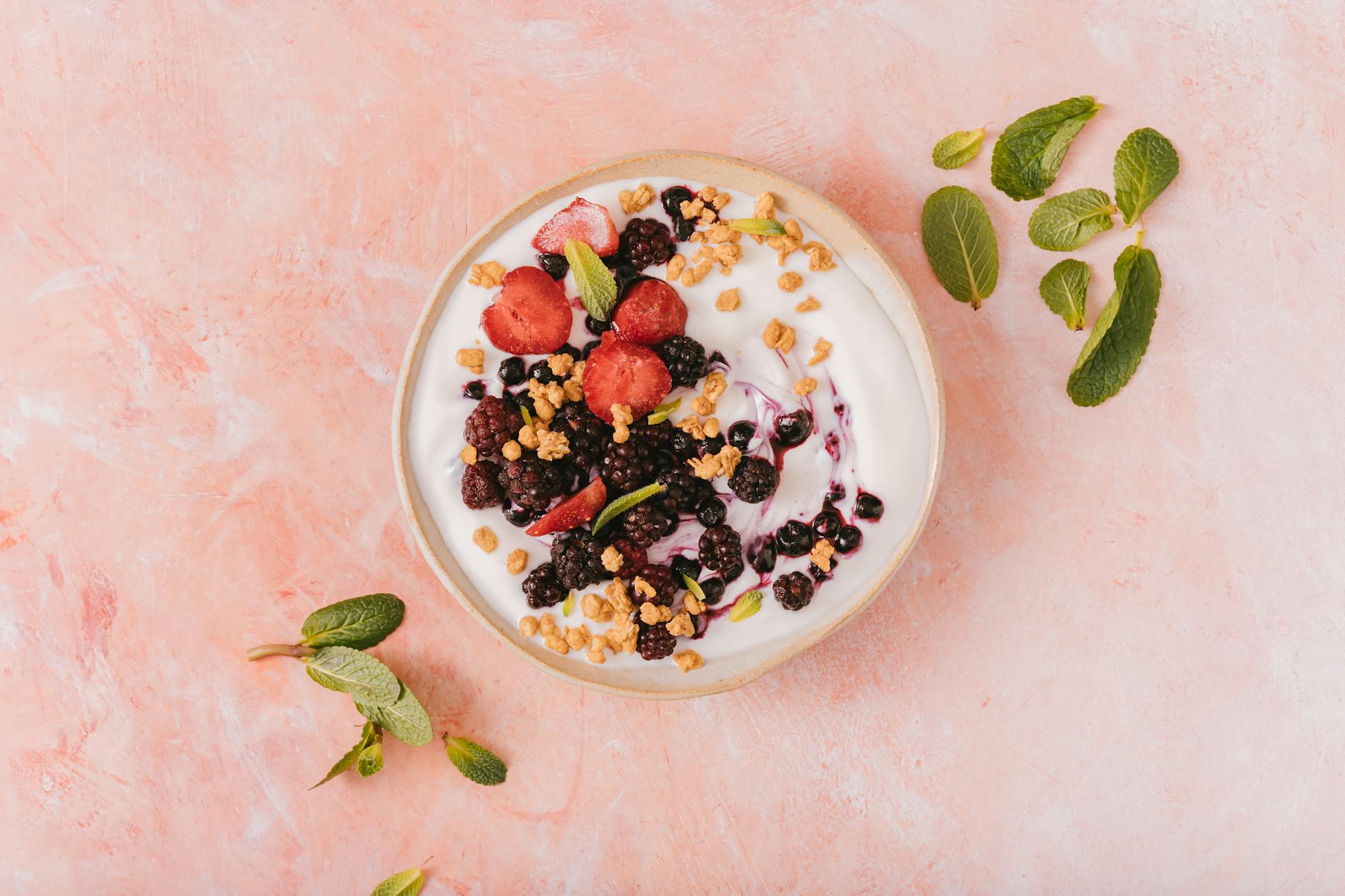
The inclusion of Probiotics is key for a healthy gut. I take a daily supplement by Optibac but also incorporate it naturally through Greek yoghurt and other fermented foods. Key good bacteria you need to include are Lactobacillus and Bifidobacterium – they limit inflammation, improve the absorption of nutrients and activate neural pathways travelling between your gut and your brain.
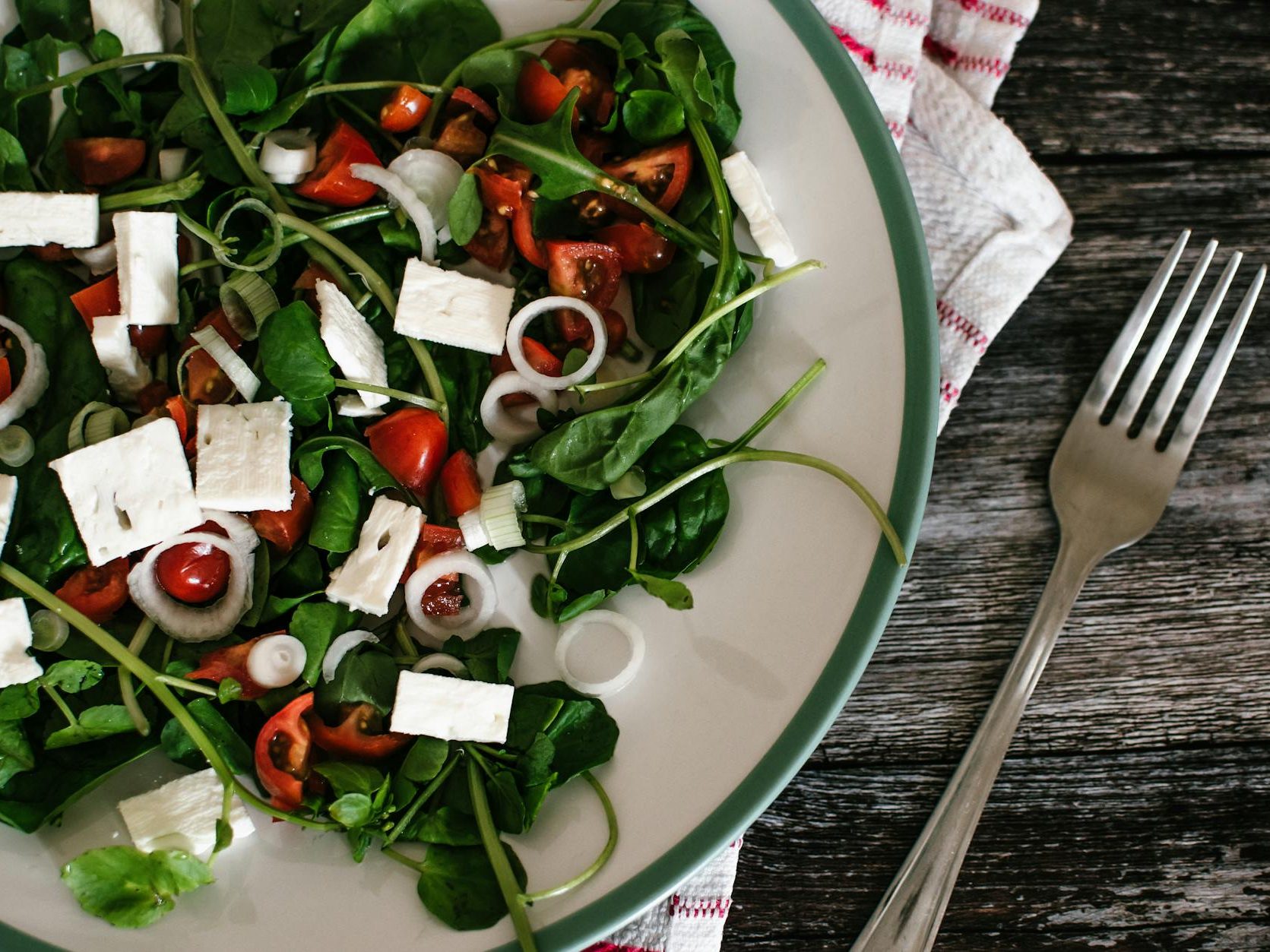
The Mediterranean Diet recommended by the World Health Organisation, naturally includes the presence of these probiotics. This type of diet is characterised by the inclusion of more fresh fruit and vegetables, whole grains, beans, nuts and seeds, along with the essential olive oil. Moderate amounts of fish, seafood, and poultry are included for lean protein, while red meat and processed foods are limited. This diet also encourages the enjoyment of meals with others, fostering a balanced and mindful relationship with food.
Omega-3 Fatty Acids
Research has shown that a diet rich in omega-3 fatty acids (EPA and DHA) is essential for brain health. Sources of essential fatty acids are:
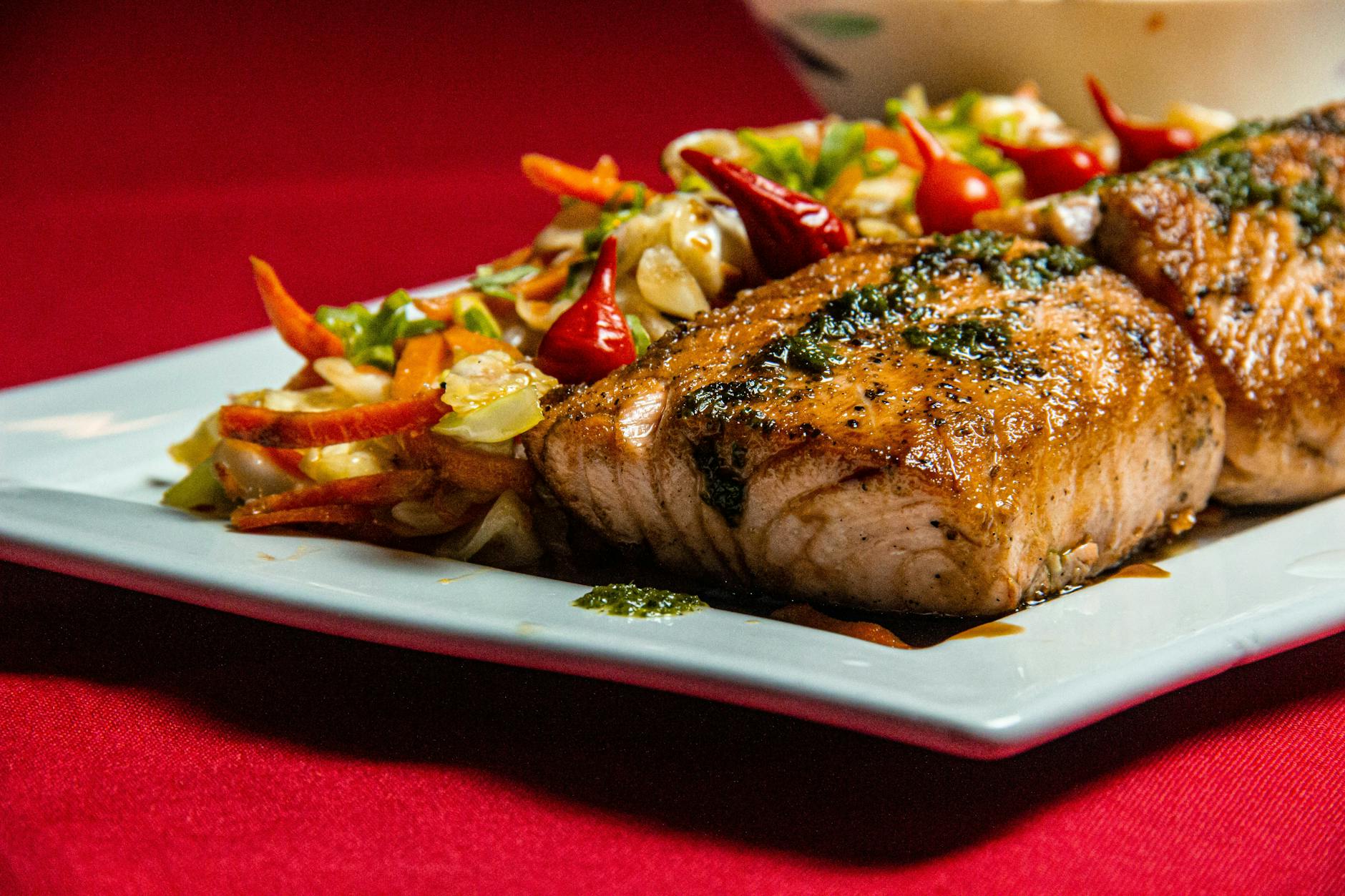
- Oily cold-water fish: anchovies, tuna, bluefish, herring, sardines, mackerel, salmon, halibut and lake trout.
- Leafy greens: spinach, arugula, mint, kale, Brussel sprouts and watercress.
- Oils: flaxseed oil, chia seed oil, cod liver oil and krill oil
- Eggs
- Walnuts (have a handful to eat daily)
Antioxidants
Our bodies are a complex machine with biochemical pathways and checks and balances. Oxidants containing free radicals are the result of your body metabolising the food and drink you have consumed. We need antioxidants to balance the bad oxidants in our bloodstream, so they are like a warrior compound like vitamin C, that your body ingests to counteract and keep the oxidation in check.
Key contributors to elevated oxidants in the bloodstream are exposure to smoking, radiation, pollutants, stress and alcohol consumption. Oxidative stress results when the balance of antioxidants and free radicals is off kilter. Stress weakens cell membranes, so it is essential to include foods rich in antioxidants into your diet which help to stimulate and strengthen brain cells, by shielding the brain and its nerve cells from destruction. Foods and drinks rich in antioxidants:
- Vitamin C: fruits – strawberries, citrus fruits, chili peppers, red bell peppers, papayas, kiwis, pineapple, tomatoes
- Selenium – found in Brazil nuts, almonds, seeds and fish
- Flavonoids (reduce inflammation and great for the brain) : green tea, Leafy greens – spinach, kale and watercress, Berries – blueberries, strawberries and blackberries, Cocoa, Coffee, Dark chocolate, Red wine.
- Vitamin E: mango, avocado, butternut squash, broccoli, spinach, tomato, kiwi, nuts and seeds: almonds, pecans, peanut butter, peanuts, hazlenuts, pine nuts, sunflower seeds, Oils: wheat germ oil, sunflower oil, safflower oil, corn oil and soybean oil.
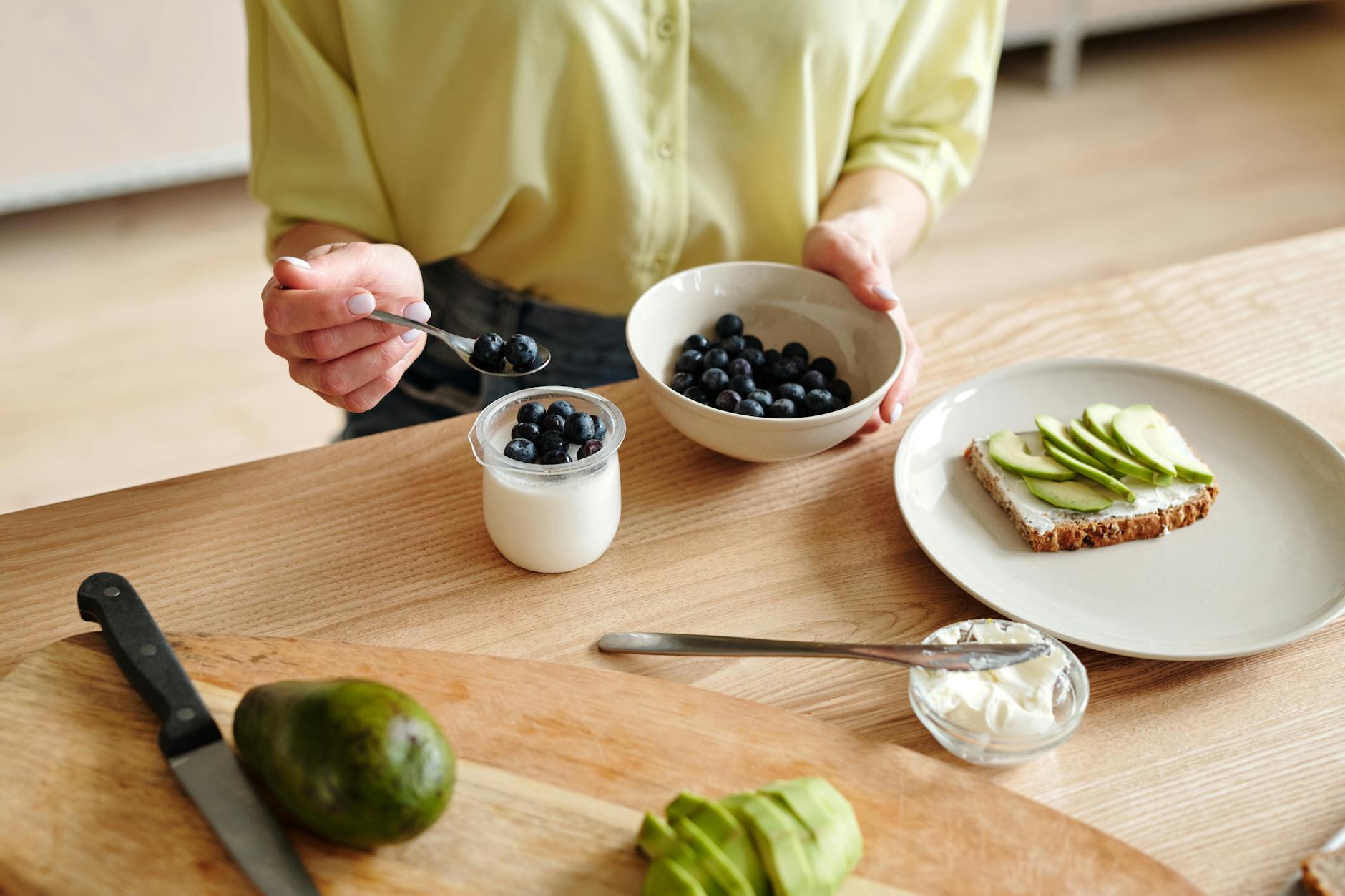
In this first instalment we have taken deep cognitive dive into the top four things you can include in your diet for brain health:
- Probiotics to aid a healthy gut microbiome and production of serotonin for neural pathways for optimal brain function.
- Dip your brain into the art of clean eating: creating meals from fresh ingredients.
- Omega-3 Fatty acids – heart and brain friendly fats.
- Antioxidants found in foods rich in Vitamin C and E.

Amanda Connor, BSc Dietetics
 The Beyond Recovery Project CIC