After having flashes of blurred vision and increasing headaches in the evenings after work, I thought I might need glasses and went for a routine eye test. The opticians referred me for an MRI after tests showed my visual field on the right-hand side was severely limited.
A few days later, I sat back up on the hospital bed after the MRI and was asked by the nurse if I had come to the hospital alone. Her question hit me like a bullet. What I thought was just a standard check-up, ended up being devastating news.
The MRI revealed a ‘large and significant’ mass on my brain which the neurosurgeon later confirmed was a meningioma brain tumour. I was told that surgery was the only option and that due it’s size and location, the procedure would be complicated and potentially life threatening. The surgeon warned that he would not be able to remove all of the tumour, and that I needed to prepare for a long journey.
I was relatively well and healthy and knew very little about brain tumours, so it was a complete shock to discover that I needed imminent brain surgery and might not survive.
“Mummy, are you scared?”
Telling our daughter, who was 8 at the time, that I would be going to hospital was tough; when you’re that age you think your parents are invincible, and the first thing she asked was “Mummy, are you scared?”
After a lengthy surgery of 14 hours, the team had to eventually stop for a break. The tumour measured 5cm x 5cm and had been steadily growing for 10 to 15 years, encroaching on my optic nerve, carotid artery and pituitary gland. The surgeon explained they will need to go in and operate again to continue to remove as much as possible. I returned home to rest and reset, ready for round two a couple of weeks later. It was really difficult knowing I had to face going through it all again, not knowing if I’d wake up, wondering what my quality of life would be like after all the risks and side effects I’d been warned of after brain surgery.
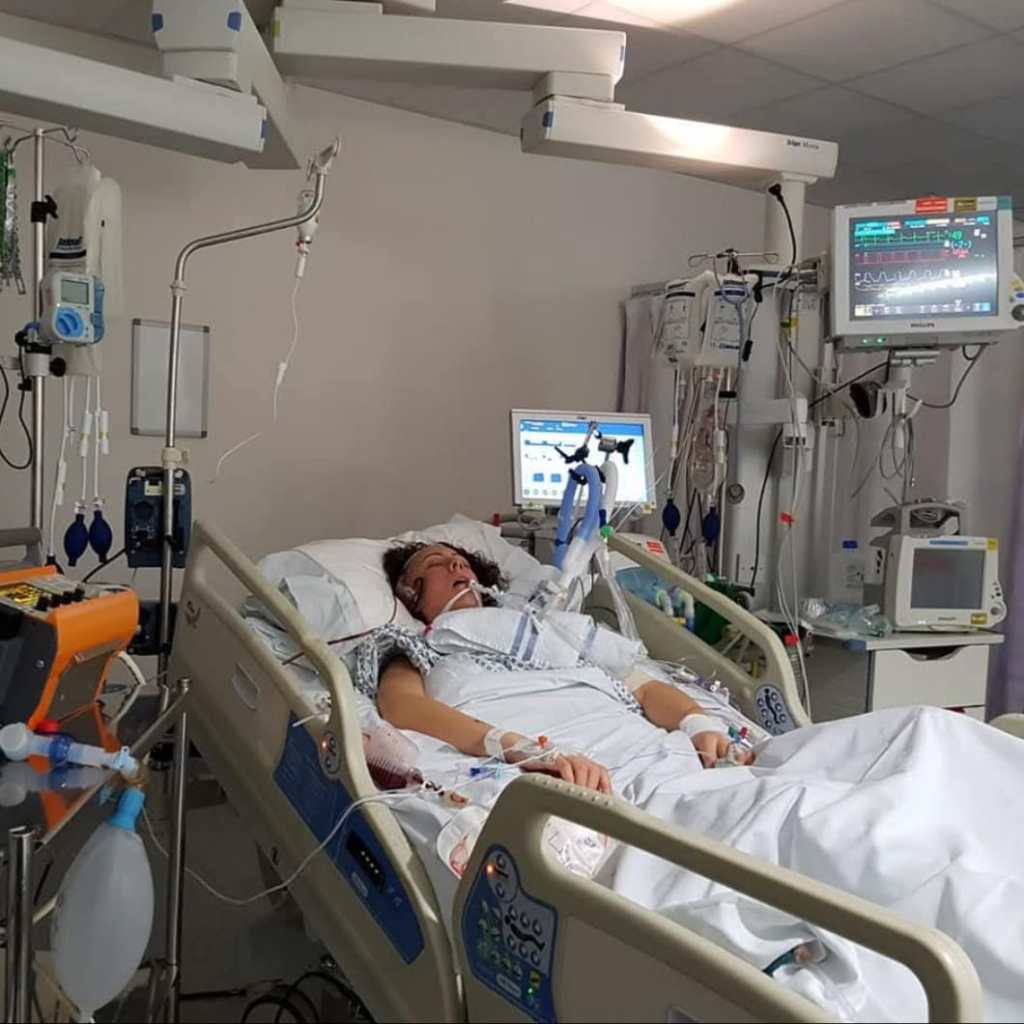
The second surgery lasted 11 hours and was equally as tiring and traumatic for my whole body as the first. Within 12 months I had to then undergo 6 weeks of daily radiotherapy as the tumour continued to show signs of growth. Friends and family put together a rota for lifts to hospital each day as I suffered from headaches, sickness and fatigue. It was the worst 6 weeks of my life.
“Recovery has been a very long, slow process.”
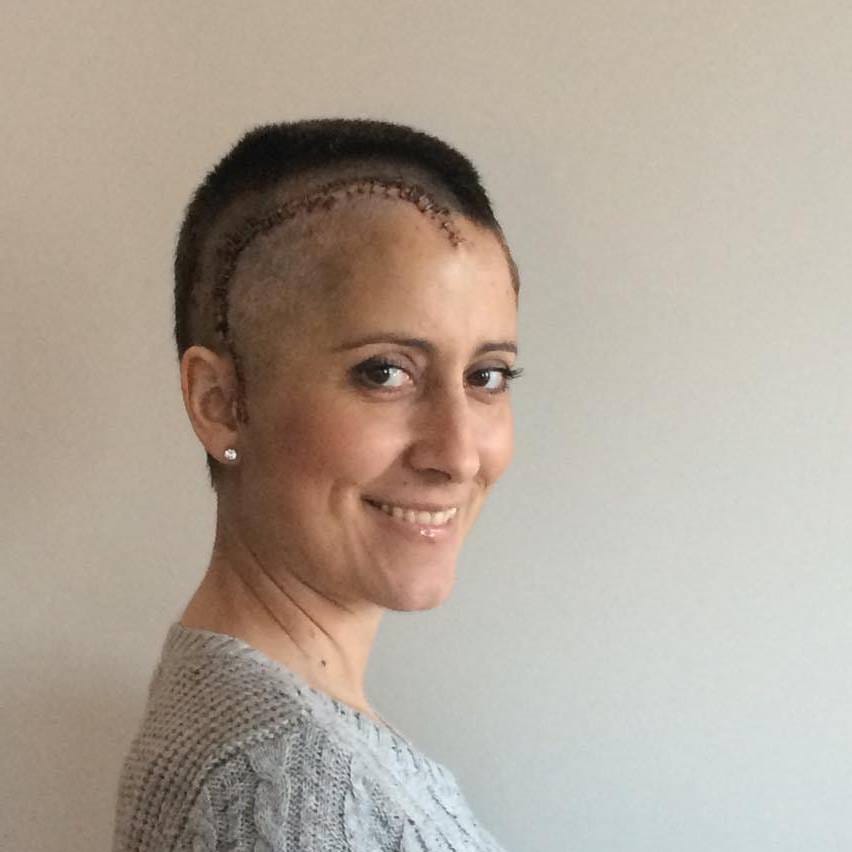
Recovery has been a very long, slow process. It has taken me a long time to accept that the brain tumour has had a major impact on my day-to-day life and will never go away. I am no longer able to live the working life I had before. I am left with cognitive issues that are often hidden and sometimes misunderstood. I suffer from regular migraines, and neuro fatigue that totally floors me when my brain is working overtime to process what used to come easily. I have to stop and be patient.
“I was refused entry at a local yoga class…”
Trying to remain positive and overcoming obstacles is not always easy, for example, I was refused entry at a local yoga class in the village hall because I had a brain tumour. Physically I’m fit and well, I even had a letter from my GP supporting me, but the yoga instructor couldn’t see beyond my diagnosis and had no understanding. It was hard to pick myself back up after that, especially when I was feeling vulnerable and trying to get some sort of a normal life back. But I did, and now regularly play football instead.
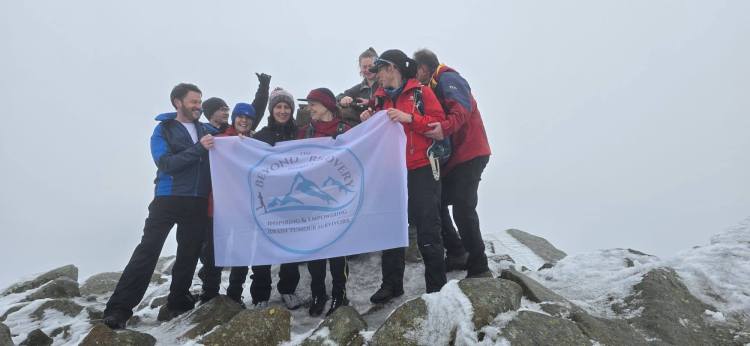
The Beyond Recovery Project has given me the chance to meet others who completely understand. We’re able to share our experiences, listen to and support one another, whilst benefiting from nature and the great outdoors. I look forward to our walks in the forest and wellbeing weekends. Brain tumours are brutal, but I remain hopeful that while I am feeling relatively well, I can live a full life beyond recovery. I’m all signed up for the trek across the Sahara later this year and when I was asked “Why on earth are you doing that?!” I simply replied, “Because I can”.
By Louise Smith
The Beyond Recovery Project relies entirely on the generosity and support of our donors. Your contributions make it possible for us to transform lives and empower individuals on their journeys to recovery and beyond. Every donation, no matter the size, helps us continue to provide vital services, support, and experiences to those who need it most. Thank you for making a difference and helping us change lives for the better.
You can donate to Louise’s fundraising page here.
 The Beyond Recovery Project CIC