When you hear the words “brain tumour,” what comes to mind? A dramatic hospital scene? A miraculous recovery? Maybe a sad story with a montage of soft piano music? For those of us living with or supporting someone with a brain tumour diagnosis, the reality is a little more… well, messy. And no one gave us a script.
Sure, a diagnosis might come with a wave of sympathy and offers of support (which we do appreciate, by the way). But what about the years—or even decades—after? The part where the world moves on, but you’re left navigating a very different life? Let’s dive into the hidden effects of living with a brain tumour and how to help the world understand the parts they can’t always see.
The Invisible Exhaustion
One of the first things people don’t seem to understand is the exhaustion. And not the “I stayed up watching Netflix until 2 a.m.” kind of tired. This is next-level fatigue, the type that can make brushing your teeth feel like a triathlon.
You’ll hear people say, “But you look fine!” as you’re trying to muster the energy to respond without screaming. You’re tempted to reply, “I am fine… as long as I don’t have to move, think, or breathe too hard.” And no, you can’t “just push through it.”
For family and friends: Sometimes we cancel plans or need quiet time, and it’s not because we don’t care. It’s because we’re recharging so we can show up for you again later. Trust us; we’re worth the wait.

The Cognitive Jigsaw Puzzle
Living with a brain tumour—or the aftermath of one—can feel like your brain’s been replaced with a slightly broken second-hand one from eBay. Words vanish mid-sentence, dates slip through your fingers, and multitasking? Forget it.
Add to this, hidden disabilities like impaired balance and vision, hearing loss, headaches…
The most frustrating part? People mistake this for laziness or inattentiveness. No, we didn’t forget your birthday because we don’t care; it’s just that our brain is busy trying to remember where we left the car keys (hint: they’re probably in the fridge).
For family and friends: Patience is key. And maybe sticky notes. Lots of sticky notes. If you can meet us with gentle reminders instead of frustration, you’ll be our hero.
The Emotional Rollercoaster
Think hormonal teenager, but with fewer bad decisions and more existential crises. A brain tumour can mess with your mood, your confidence, and even your sense of identity. One moment you’re laughing at a silly meme; the next, you’re crying because your toast fell butter-side down.
And let’s not forget the anxiety—waiting for scan results or worrying about symptoms that might just be “the new normal” but could also be something serious. It’s exhausting being in your own head sometimes.
For family and friends: Please don’t tell us to “stay positive.” We know you mean well, but it’s okay to feel all the feelings. What we need most is your presence, not your solutions. (Though cake helps, too.)

The Long-Term Side Effects Nobody Warned You About
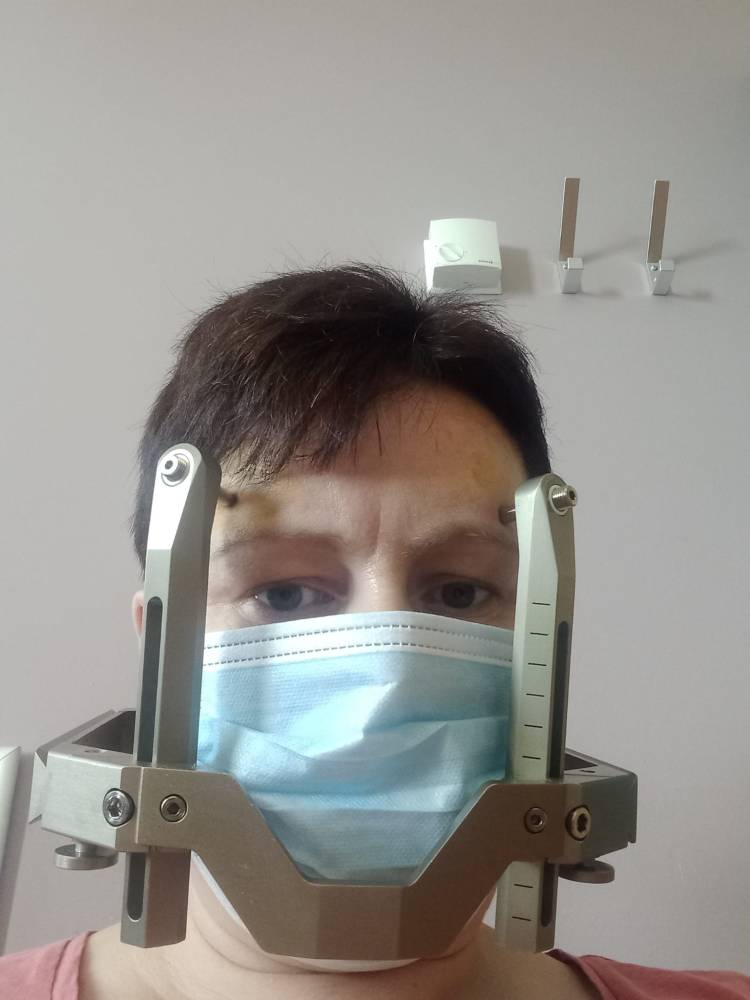
It’s not just the tumour itself—it’s the aftershocks. Surgery, radiation, and medications can leave you with scars, seizures, and a body that doesn’t quite work the way it used to. And don’t even get us started on the constant “scanxiety.” Every check-up feels like waiting for the universe to flip a coin.
And while the world may expect us to “get back to normal,” we’re busy figuring out what our new normal looks like. Spoiler: It’s probably not a nine-to-five with a side of triathlons – although that’s not to say that’s impossible!
So, How Can You Help?
- Listen more than you talk. We don’t need you to fix us; we need you to hear us.
- Offer practical help. A meal, a lift to an appointment, or just showing up with a good sense of humour can make a world of difference.
- Educate yourself. The more you understand, the less we have to explain (and trust us, we’re tired of explaining).
And for those living with a brain tumour diagnosis: Give yourself some slack. You’re navigating a world that doesn’t always understand you, but you’re stronger than you know.
At The Beyond Recovery Project, we get it. We’re here to provide support, resources, and a place where you can let your guard down. Whether you’re living with a diagnosis or loving someone who is, you’re not alone in this journey.
And remember, even on the hardest days, you’re still showing up in ways that matter. Take it one step, one nap, one awkward laugh at a time.
By Sara Crosland
 The Beyond Recovery Project CIC
One thought on “Living With a Brain Tumour: The Battle You Can’t Always See”